Bohatosť v jednoduchosti
Keď začnete študovať náš folklór do hĺbky, za každými otvorenými dverami nájdete 10 nových. Ja som začala absolútne povrchne, vnímala som len estetickú krásu našich krojov a vzorov, neskôr som začala študovať materiály a techniky na výrobu a vyšívanie krojov. Táto cesta ma zaviedla do kontextu prírody a prostredia odkiaľ kroje pochádzajú. Študovala som pôvodnú architektúru, zvyky, remeslá a tradície. Neskôr sa pridal historicko-kultúrny kontext, vďaka ktorému som natrafila aj na najstaršie zachovanú pôvodnú tradičnú kuchyňu našich predkov a bolo to fascinujúce. Bohatosť v jednoduchosti našich pôvodných pokrmov je mimoriadna. Naši predkovia boli pochopiteľne neskutočne spätí s prírodou, a v závislosti od prostredia v ktorom žili sa menil aj obsah ich každodenných pokrmov. Na základe týchto poznatkov som subjektívne zostavila tradičnú štedrovečernú večeru, ktorá bola na našich stoloch ešte pred vplyvom socialistického hospodárstva a dávno pred príchodom priemyselnej revolúcie. Zaujali ma tradície, zvyky, a čo je veľmi zaujímavé, výživová bohatosť pôvodnej štedrej večere. Štedrá večera nebola o prejedaní sa tak, ako je tomu dnes. Štedrá večera neznamenala, že minieme množstvo peňazí, aby sa nám stôl prehýbal pod kilami jedla, ktoré musíme nasilu jesť tak, ako je tomu dnes. Štedrá večera znamenala symbolické posedenie rodiny, znamenala začiatok nového obdobia (zimný slnovrat), kedy sa muselo len pozitívne hovoriť o nastávajúcom roku. Ľudia sa nesmeli hádať, každý dostal svoj diel a rovnocenne aj všetky hospodárske zvieratá. V niektorých regiónoch zvieratá dokonca dostali večeru ako prvé. Postupne vás prevediem vianočným menu našich predkov a s výživovou poradkyňou urobím rozbor všetkých jedál, aby som ukázala ako zdravo, jednoducho a lacno sa naši predkovia v skutočnosti stravovali. Dúfam, že sa vám moje vianočné menu bude páčiť a necháte sa ním inšpirovať pri tohtoročnej štedrej večeri.
Najbližších 9 dní vám vždy večer o 19:00 postupne predstavím 9 chodov pôvodnej štedrej večere, ktoré v závere zostavím do jedného uceleného blogu, aby ste sa k nemu mohli kedykoľvek vrátiť.
Bohatosť v jednoduchosti – Tradičné VIANOČNÉ menu
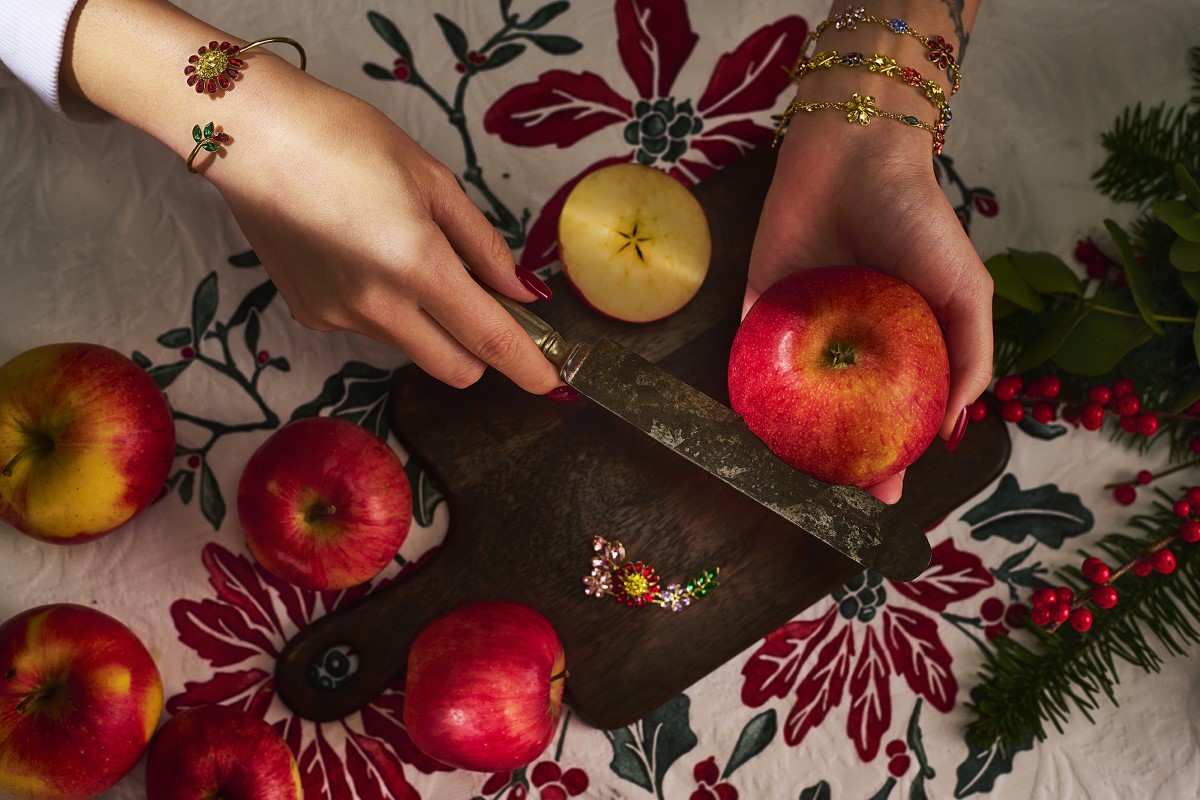
This traditional custom needs little explanation. In many regions, Christmas Eve dinner began by cutting an apple. If a star appeared inside, it symbolized health and happiness. Conversely, a cross or rot indicated death or illness. Alongside the apple, we also observe other Christmas customs from Upper Kysuce (author: Jozef Marec).
- In times when sheep were raised in larger numbers, it was forbidden to enter the house in a fur coat on the day before Christmas. “The sheep would not stay.” This archaic remnant of shepherds’ protective magic was very strict.
- A Christmas ritual involved the farmer taking a wooden mallet (used to split fir logs for shingles) and striking it on the ground. Observers asked, “What are you hitting?” and the farmer replied, “I am killing moles!” This was repeated three times.
- The house had to be cleaned thoroughly, the clay floor leveled and wiped.
- The walls were whitewashed, and the stove was whitened as well.
- A young unmarried woman swept the room in a ritual way before dinner, from the door toward the table. Trash was taken outside and thrown beyond the fence. If a dog barked from that direction, it meant her future groom would come from there.
- The tablecloth was clean and white, with a small amount of grain placed underneath.
- An iron object was placed under the table.
- Before the Christmas Eve dinner, everyone bathed, washed their hair, and wore clean festive clothes.
- The key to the house was placed on the table to protect against thieves, but the door remained unlocked to allow participation of the spirits of deceased ancestors.
- In some villages, there was a rule of nine dishes, all of ritual character. The dishes were modest, and there had to be nine of them.
- People began dinner when the first star appeared, around 4 PM. Before sitting, the livestock were fed; a small portion of each dish was set aside for them in a butter dish under the table. The farmer spoke to and touched each animal.
- No one could leave the Christmas Eve table, to keep the family united for the entire year. Only the housewife served and brought the dishes that were already prepared.
The vitamins in apples slow down the aging process. One apple per day is enough to feel and look better. The apple tree is the most widespread fruit tree in our region and is rightly considered the oldest. That is why we should consume as much seasonal fruit as possible – especially apples. The recommended daily intake is several apples, but at least one.
Contains vitamin A (Retinol), vitamin B1 (Thiamine), vitamin B2 (Riboflavin), vitamin B6 (Pyridoxine), vitamin B9 (Folic Acid, important for pregnant women), vitamin B12, vitamin C (L-ascorbic acid), and vitamin E (Tocopherol).
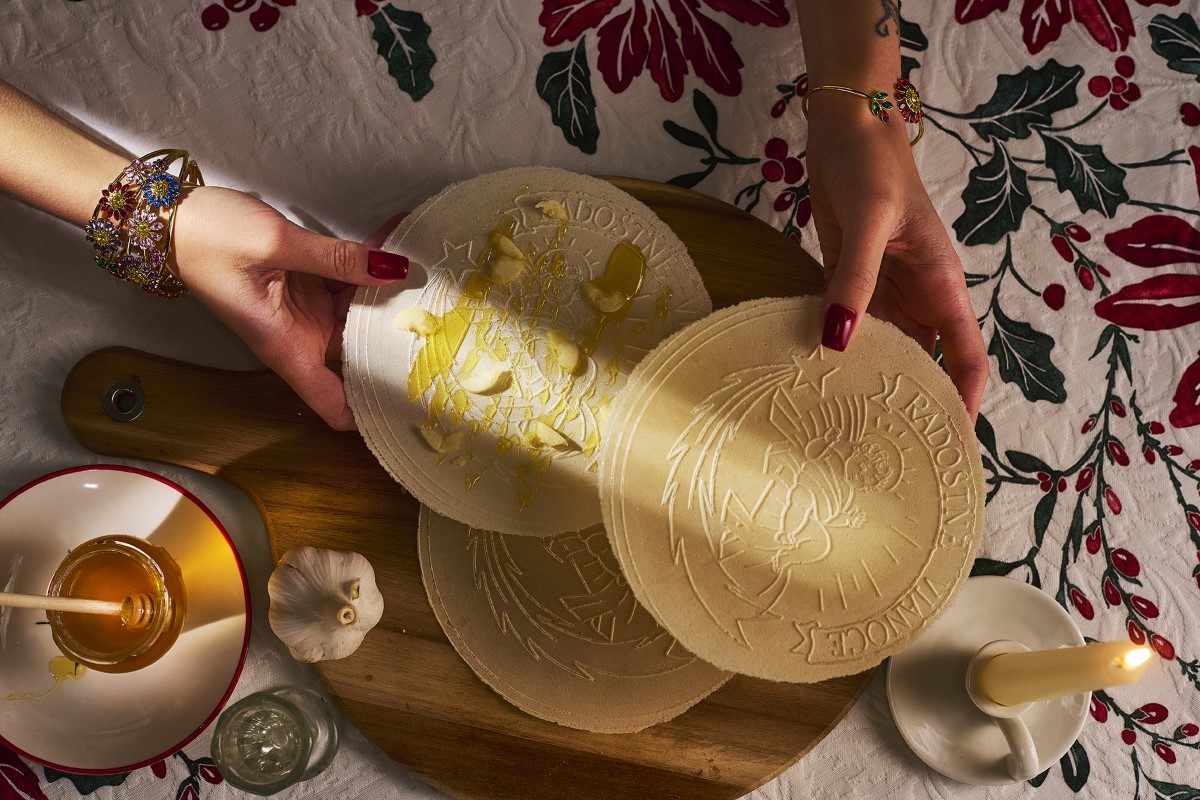
Initially, wafers were baked by teachers, teachers’ wives, or local priests. The baked wafers were then distributed by schoolchildren around the village, often reciting Christmas carols while doing so. Children received money for delivering the wafers. The priest would receive in his basket, covered with a beautifully embroidered cloth, beans, flour, sausage, or a woven towel in exchange for wafers.
Later, women started baking wafers at home themselves. Wafers are included as the second course out of a total of nine.
After the head of the household prayed and everyone received wafers with honey, the oldest family member, usually the grandmother, would dab honey on each family member’s forehead to ensure everyone would be sweet, good, and healthy.
Regarding wafers, we also note additional Christmas customs from Upper Kysuce (author: Jozef Marec):
- A candle had to burn on the table from the beginning to the end of Christmas Eve dinner. If it went out, it was a bad omen that someone would die within the year. The direction of the smoke after the candle went out was also considered prophetic.
- The table had to be positioned so that no one sat facing the entrance door, to prevent death or leaving the house.
- Christmas trees began to appear sometime after World War I and were exclusively fir trees. The tree was decorated modestly on Christmas Day at noon and hung under the beam. When bringing the tree into the room, the top had to face forward, accompanied by the greeting: “ščasny a vesely Sviotki” (Happy and Joyful Holidays). After Christmas, the top was carried outside. Gift-giving under the tree began around the 1950s, following improved material and social conditions for farmers. Among Slavs, the white fir was considered magical and beneficial, symbolizing purity and health. On Christmas Day, houses were sprinkled with fir twigs and holy water from east to west. The tree was decorated with red apples and nuts.
Wheat, the queen of cereals, is one of the most widely grown crops in our region.
It originated through long-term development and breeding from ancient forms, cultivated by early civilizations around the 7th millennium BC.
Besides being a staple ingredient for bread, it is also used as animal feed.
Wheat is an indispensable source of energy not only for muscles but also for brain and nerve cells.
It is a source of B vitamins, especially thiamine, and vitamin E. Minerals include calcium, iron, phosphorus, potassium, magnesium, and zinc. Wheat germ is especially rich in nutrients (B vitamins, E, and minerals) and remains present in wholemeal flour, giving it higher nutritional value than white flour. Oil from wheat germ is high in vitamin E, acting as an antioxidant that reduces free radicals and protects the body.
Honey has many benefits for humans. It is a nutritious natural sweetener, a concentrated energy source, and an ancient folk remedy. Honey is also used in cosmetics and skin protection products and continues to be studied in medical research. Essentially, honey is a sweet superfood that supports health in multiple ways.
Honey contains 22 amino acids, 27 minerals, and 5,000 enzymes. Minerals include iron, zinc, potassium, calcium, phosphorus, magnesium, and selenium. Vitamins found in honey include B6, thiamine, riboflavin, pantothenic acid, and niacin.
Garlic helps in the treatment of brain, skin, breast, stomach, and colon cancers, slows lung cancer progression, aids in bladder cancer prevention, and may help stop prostate cancer progression.
Garlic is rich in sulfur-containing compounds. Thiosulfinates, which contain allicin, are its main active components. It also contains:
- high levels of saponins, phosphorus, potassium, sulfur, and zinc,
- high content of vitamins A, B1, B2, and C,
- moderate levels of selenium,
- low levels of calcium, magnesium, sodium, iron, manganese, and B-complex vitamins.
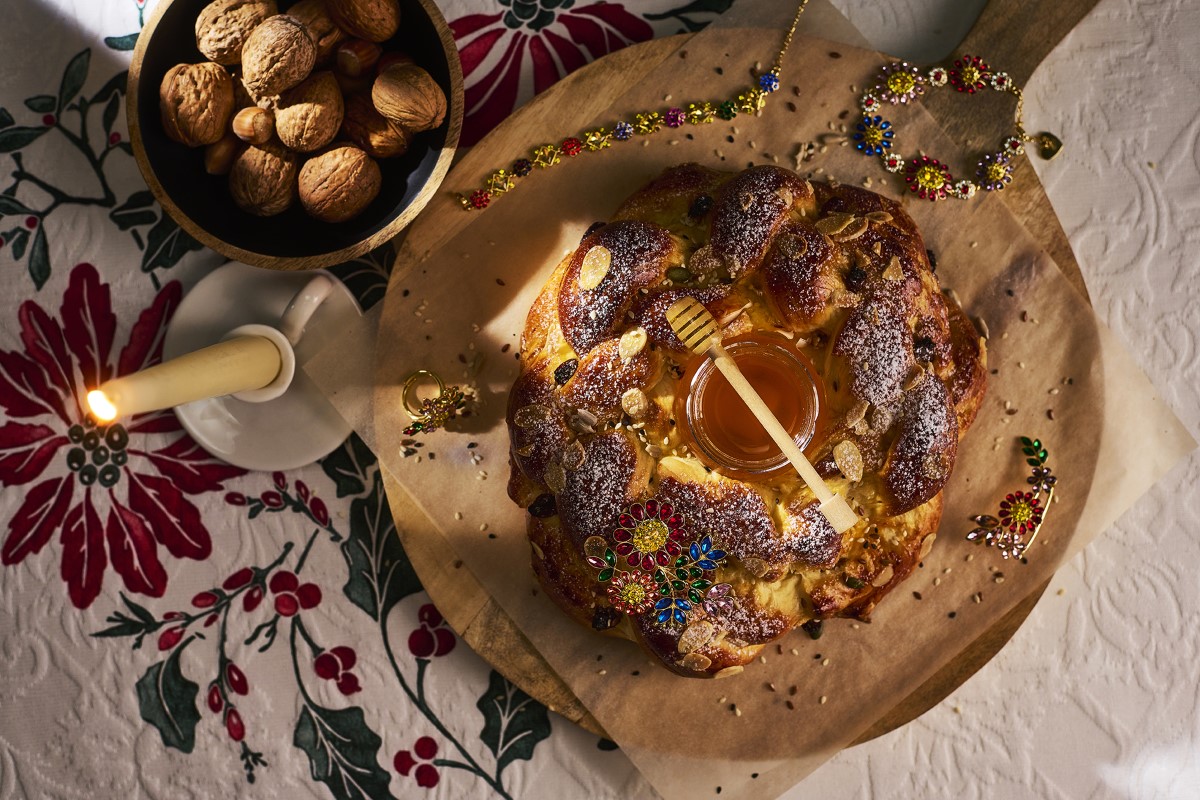
The winter solstice, also called the Slavic Kračúň (in eastern Slovakia, Kračun is a low, unleavened cake with various grains, baked for livestock), was in pre-Christian European history a symbol of the birth of the sun god, who returns from distant darkness to bring warmth, light, and life to people. Christianity later covered this celebration with its most beautiful holiday, preserving the symbolism. The birth of Christ also represented light and hope for eternal life. While the terminology changed, the essence remained the same, hidden in many everyday rituals. Some of these customs have survived to the present day. Customs and rituals during the winter solstice had protective, prosperous, sometimes healing, and even love-prognostic significance. Reverence and respect for this holiday were immense. On this day, visiting others was generally considered inappropriate, though some still borrowed items from neighbors. The winter solstice celebration was meant to ensure a good harvest and prosperity for the coming agricultural year. For this reason, food and its components held an irreplaceable place at the Christmas Eve table. Since fasting was observed all day, dinner was the only opportunity to eat. Kračúň was considered a precursor to our modern Christmas bread, “vianočka.”
The dough for Kračúň was usually made with spring water. In the center of the pastry, the housewife made a small hollow and dripped honey into it. Seeds were added to the dough to secure the family’s harvest for the coming year (e.g., legumes, flax, hemp, and other seeds). Additional ingredients mixed into the dough were believed to enhance magical power. For example, garlic or parsley symbolized health and protection from evil forces, while rose hips symbolized freshness. Wafers, holy water, or blessed greens were also added to the dough. Sometimes, a small bottle of honey was placed in the center hollow. Later, this cake was improved, braided into shapes, and called “kračúnik” (similar to our Christmas bread, vianočka).
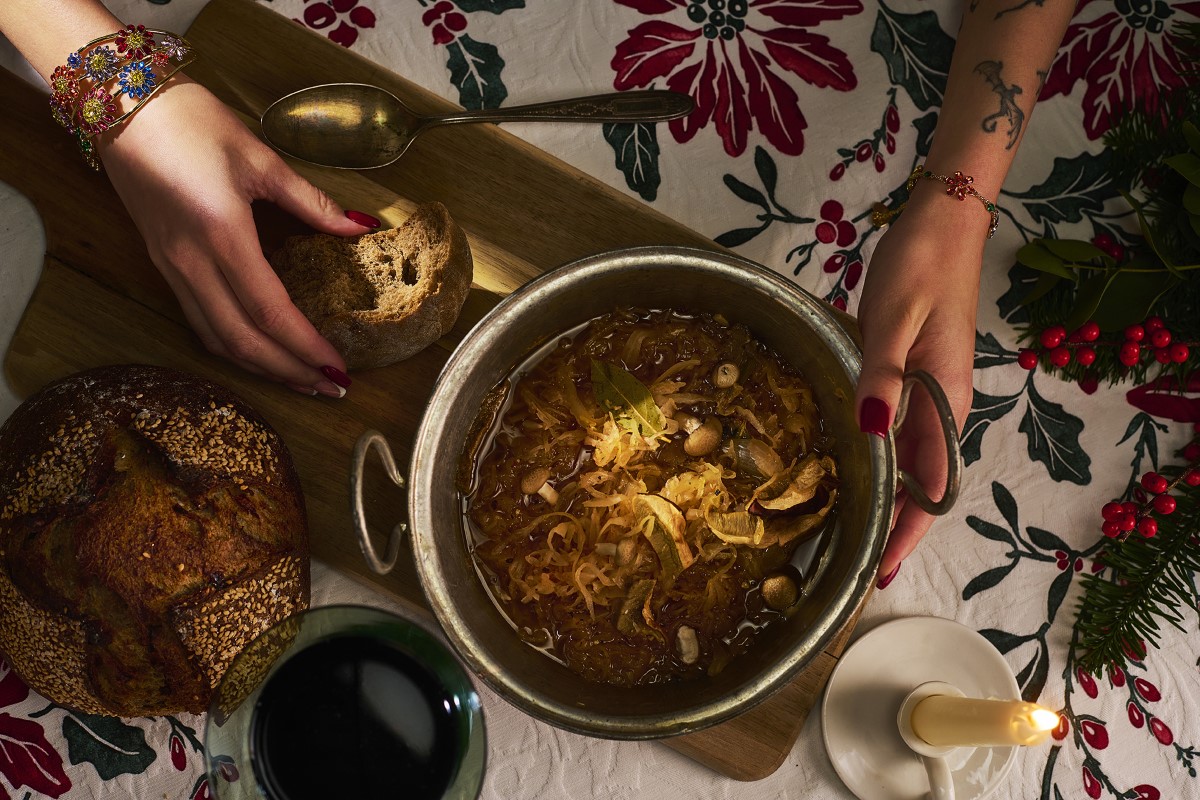
In the past, there were villages where the rule of nine dishes was strictly followed, and everything eaten on that evening had a ceremonial character. The dishes were simple and had to number nine. All animal fats were replaced with butter.
It was believed that every dish on the Christmas table had great power and strength. Therefore, food was handled respectfully and carefully. It was served from a single bowl, and no dish was to be completely consumed, as that would bring poverty to the family in the coming year. For infants being breastfed, mothers would symbolically bring a spoon to their mouths. It was also believed that every crop grown on the farm should be represented on the table. Money was placed under the tablecloth, but had to be removed by St. Stephen’s Day. Bread had to remain on the table at all times until the Feast of the Three Kings. Leftovers were given to livestock, and in some areas, they were saved for medicinal purposes.
If a girl scattered crumbs from the table onto the yard, a magical protective flower – called a “maronka” – was said to grow there in spring. In some regions, crumbs were kept for magical purposes. “As it is on Vilija, so it will be the whole year.” Christmas/Vilija represented a foreshadowing of the coming year, so people tried to ensure the day went smoothly with proper behavior and relationships. People were to be cheerful and not complain. Children had to obey, and were not to be scolded or beaten. The end of the bread and wafer was saved as a remedy for sick livestock.
Food was not to be eaten hot, as it was believed this could cause gossip about the family during the year.
In the autumn season, cabbage is typically pickled. Well-fermented cabbage contains many vitamins, which can sustain us throughout the winter.
Besides vitamin C, it contains vitamins B1, B2, B6, E, PP, A, D, K, U, folic acid, and biotin. It also provides many amino acids and minerals (potassium, calcium, phosphorus, iron, zinc). It is a source of fiber and pectins, which are important for digestion.
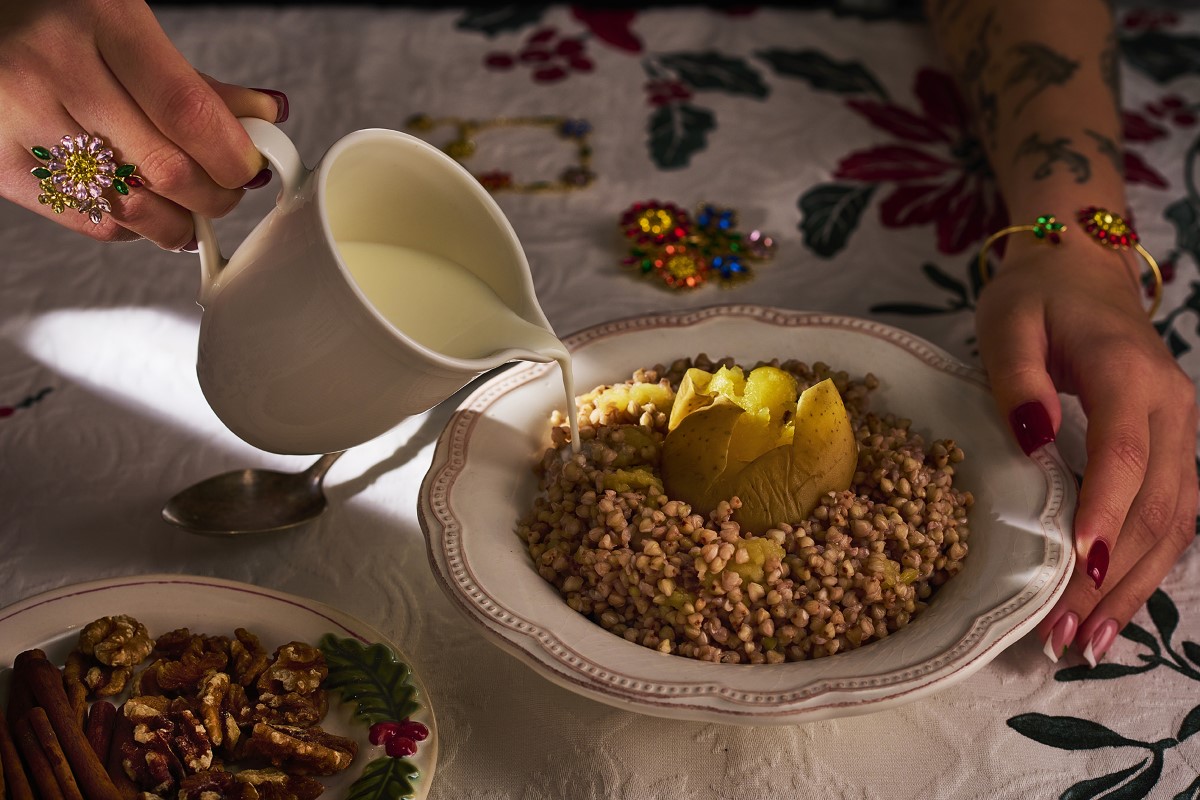
Porridges, whether from cereals or peas, were part of the daily diet of our ancestors, so porridge could not be missing as one of the nine dishes of the Christmas Eve dinner. We chose one of the healthiest porridges – buckwheat. The porridge was eaten from one bowl. Each member had their own spoon, and each family member ate a maximum of 2–3 spoonfuls.
Recipe for traditional buckwheat porridge:
Soak 250 g of buckwheat in double the amount of water and then cook for about 15 minutes. After cooking, leave it to rest under a lid. Serve with melted butter or sweetened milk. To the porridge, you can add 300 g of boiled and mashed potatoes, salt, marjoram, black pepper, grated garlic, and sautéed onions. Mix everything well and bake in a casserole until the porridge turns pink.
Buckwheat is very beneficial for the human body and should be a staple in our diet. Besides being gluten-free, it contains a variety of minerals and rutin, which supports the absorption of vitamin C and positively affects blood vessels and the circulatory system.
Buckwheat protects against breast cancer, has a positive effect on blood vessels and veins, maintains a healthy heart, lowers blood pressure, prevents osteoporosis, protects the body from free radicals, is an excellent source of protein, and helps with weight reduction.
It contains vitamins B1 (thiamine), B2 (riboflavin), B3 (niacin), B5 (pantothenic acid), B6 (pyridoxine), B9 (folic acid), and vitamin C, antioxidants, amino acids, polyphenols, and rutin. Among minerals, it contains magnesium, manganese, phosphorus, zinc, iron, potassium, selenium, calcium, copper, as well as omega-3 and omega-6 fatty acids.
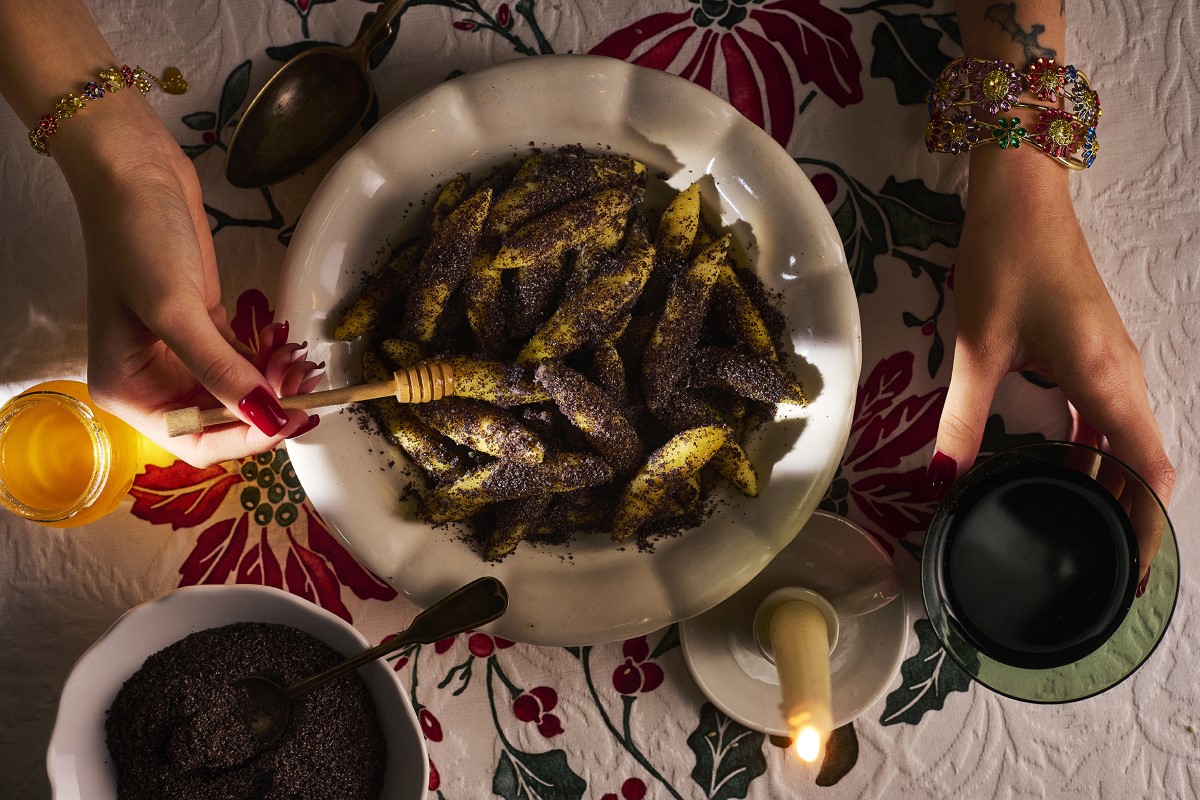
The sixth dish of the Christmas Eve dinner was fried pasta with poppy seeds, mostly šúľance (rolled noodles). Like the previous dishes, the fried pasta was eaten from one bowl so the family stayed together. Each person ate two, at most three spoonfuls. The pasta was sprinkled with poppy seeds, symbolizing abundance. The šúľance were supposed to be at least 15 cm long so that the wheat ears would also grow long in the coming year.
Poppy seeds have a distinctly aromatic, oily, and slightly sweet taste, which becomes more pronounced when crushed. They are high in calcium, which is necessary for normal growth and development of children’s bones and for maintaining healthy bones and teeth. They also have an analgesic effect.
They contain vitamins B1 (thiamine) 74% of the RDA, B2 (riboflavin), B3 (niacin), B5 (pantothenic acid), B6 (pyridoxine), B8 (choline), B9 (folic acid), C, and E. Among minerals, they provide calcium 144% of the RDA, phosphorus 124%, manganese 109%, magnesium, zinc, iron, potassium, sodium, copper, selenium, as well as omega-3 and omega-6 fatty acids.
The Christmas Eve dinner was accompanied by many traditional customs. The end of the bread and wafer was set aside to serve as a remedy for sick livestock. The table was wrapped with a chain to keep the family together.
Since the whole day was observed as a fast, the only opportunity to eat was during dinner.
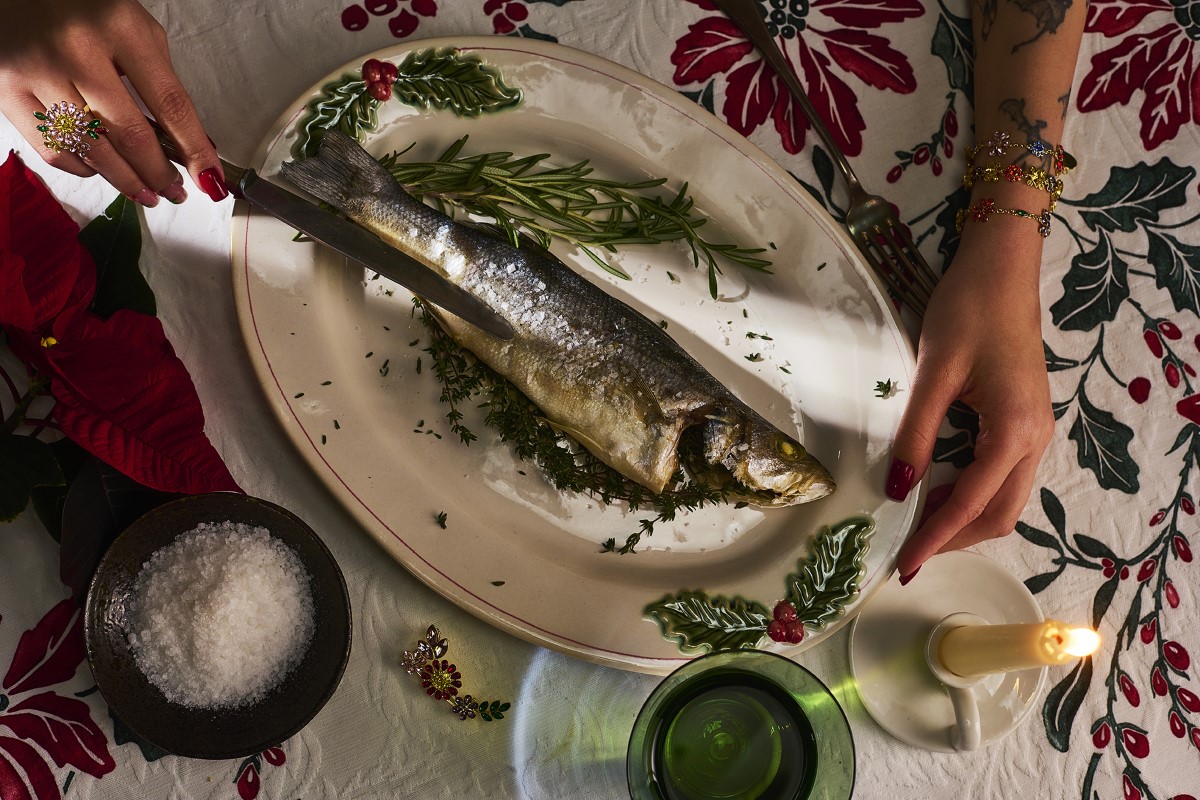
During Christmas Eve dinner, it was strictly forbidden to eat meat, but fish was allowed. Fish was part of the festive dinner, especially for people living near rivers. Trout and zander were commonly eaten. Carp only appeared on the Christmas table after being deliberately bred in ponds during socialism. The fast, however, was likely not original; before the arrival of the Church, winter solstice celebrations were accompanied by lavish feasts. Jozef Marec, author of “Traditional Healing and Folk Magic in Upper Kysuce,” writes: “In the literature, we find that many original customs were thorn in the eye of Christian dogma guardians. Example: ‘Who would bless Straw Christmas, tied the table with chains ut supra, like a sorcerer, gave fl. 1.’ (one florin – gold) – Rajecké Teplice superintendent Daniel Krman, 1707.”
Fish are a source of high-quality proteins, valuable minerals, essential trace elements, and vitamins. Due to their high content of omega-3 unsaturated fatty acids, they are considered beneficial for cardiovascular health. Nutrition experts recommend consuming fish at least twice a week. The average Slovak consumes only 5 kg of fish per year, a Norwegian 50 kg, and a Japanese even 90 kg.
Fish contain valuable minerals and trace elements, especially iodine and selenium (which protect the body from heavy metals), vitamins D, A, and B. They provide high-quality proteins. Their fat content is low, but the fat is essential for human health as it consists of omega-3 unsaturated fatty acids.
Fish meat ranks among foods richest in these essential fats. Since the human body cannot produce them, they must be obtained through diet. The recommended daily intake is 250 to 500 mg of omega-3 fatty acids.
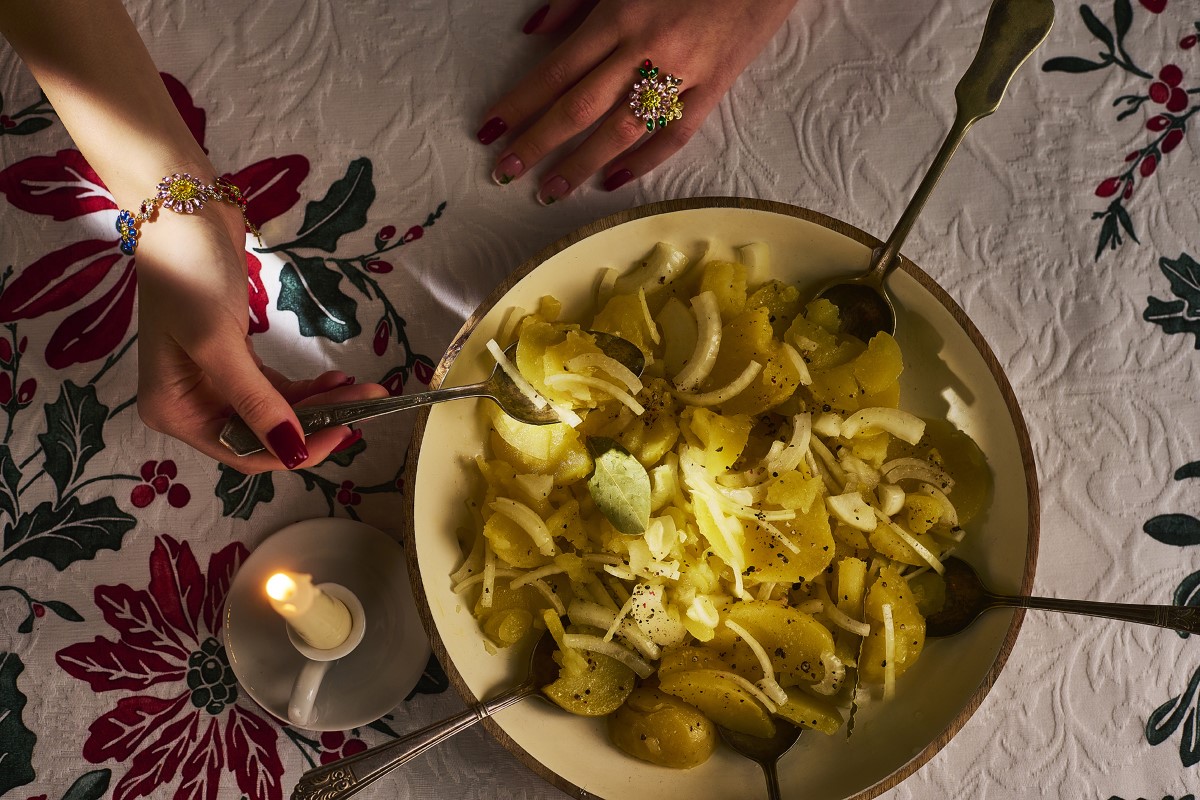
We can say that the potato forms a basic part of our daily diet. Beneath the brown skin lies white or yellow flesh, which provides our body with many essential nutrients. Since its arrival in our region, the potato has become an important crop, substituting for a possible lack of flour. When flour was scarce, potatoes were added to bread dough as well as to pasta. Therefore, one might question whether our original traditional dumplings really contained potatoes or if they were added later when flour had to be economized. In traditional potato salad, you will not find mayonnaise. It was made simply, as we all know it.
Boil 1 kg of potatoes in their skins, peel and slice them into rounds, add chopped onion, salt, 1 dl of vinegar water, and mix. The potato salad was eaten from a single bowl so that the family stayed together, with each person having a maximum of 2 to 3 bites.
They contain many micronutrients – vitamins A, B1, B2, and B6, and even four times more vitamin C than apples or pears. They are a unique and exceptionally rich source of minerals and trace elements such as potassium, magnesium, zinc, calcium, phosphorus, iron, copper, fluoride, sodium, chromium, and more. They even contain a special phenolic acid that acts against harmful bacteria and viruses.
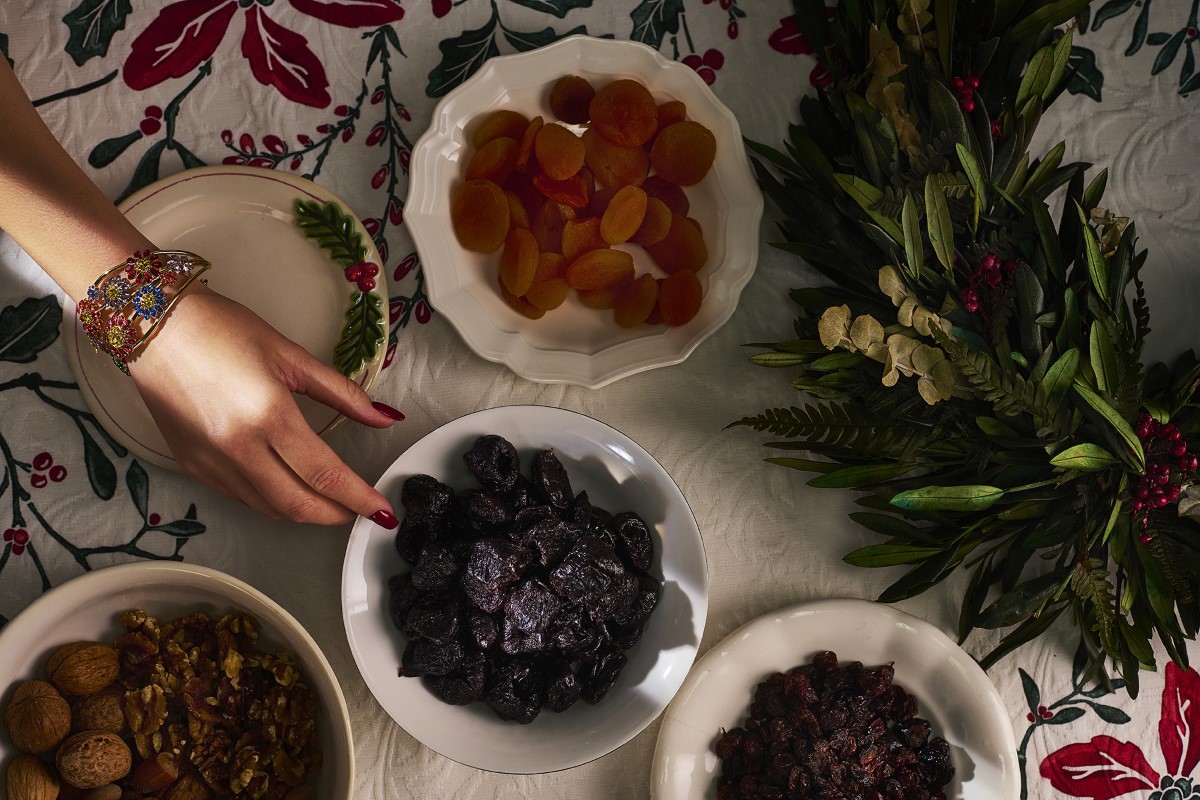
Dried fruit was an indispensable and necessary part of the diet of our ancestors. It was rich in sugars and vitamins, so it was naturally included in the Christmas Eve dinner. Mainly plums and apricots were dried. In wine-growing areas, grapes were also dried. For Christmas dinner, beverages were served: adults drank wine, spirits, or warm liquor. Children drank a kind of compote juice made by boiling dried fruit and nuts, a natural form or predecessor of our modern syrups.
See all courses of our traditional Christmas Eve dinner on our blog. For each course, we have provided the nutritional value per person.
Traditional Christmas Eve dinner of our adult ancestors with boiled wine and spirits: 1,310 kcal, 32 g protein, 28 g fat, 222 g carbohydrates, and many vitamins.
For children with “compote”: 1,114 kcal, 33 g protein, 30 g fat, 168 g carbohydrates, and many vitamins.
What do you think about today’s Christmas Eve dinner and its nutritional values? Shouldn’t we, even in gastronomy, return to our roots?
Plums help in the fight against diabetes, assist in anxiety conditions, increase resistance to stress, help maintain healthy digestion, prevent osteoporosis, keep the heart healthy, aid in weight reduction, and maintain youthful skin.
They contain organic acids, tannins, nitrogenous substances, vitamin A, all B vitamins except B7 and B12, vitamin C, and minerals such as potassium, copper, zinc, magnesium, calcium, sodium, phosphorus, and iron.
Sources and literal citations and excerpts:
Jozef Marec - Traditional Healing and Folk Magic in the Upper Kysuce
Zora Mintalová Zubercová - How We Lived in the Past
Rastislava Stolčanská Mikolajová - The Kitchen of Our Ancestors
Field research - Petra Toth
Collaborators:
Meals prepared by Masterchef Slovakia winner Michaela Králiková
Nutritional values of dishes prepared by Diana Klásková
Photographs by Dušan Křístek
Model Radka Kytková
Text editor Katarína Sýkorová